Business Name: BeeHive Homes of Plainview
Address: 1435 Lometa Dr, Plainview, TX 79072
Phone: (806) 452-5883
BeeHive Homes of Plainview
Beehive Homes of Plainview assisted living care is ideal for those who value their independence but require help with some of the activities of daily living. Residents enjoy 24-hour support, private bedrooms with baths, medication monitoring, home-cooked meals, housekeeping and laundry services, social activities and outings, and daily physical and mental exercise opportunities. Beehive Homes memory care services accommodates the growing number of seniors affected by memory loss and dementia. Beehive Homes offers respite (short-term) care for your loved one should the need arise. Whether help is needed after a surgery or illness, for vacation coverage, or just a break from the routine, respite care provides you peace of mind for any length of stay.
1435 Lometa Dr, Plainview, TX 79072
Business Hours
Monday thru Sunday: 9:00am to 5:00pm
Facebook: https://www.facebook.com/BeeHivePV
YouTube: https://www.youtube.com/@WelcomeHomeBeeHiveHomes
Families rarely arrive at the choice for assisted living in a single discussion. It often tends to develop over months, often years, of small hints. A missed out on dish right here, an unwashed tee shirt there, a fall that does not get pointed out up until the contusions reveal. As somebody who has actually functioned along with households and older grownups throughout the range of Senior citizen Care, I've found out the choice is not around giving up. It has to do with trading one set of dangers and stressors for an additional collection that is more convenient, much safer, and often kinder to everyone involved.
This overview is implied to help you review that tipping point with clear eyes. It blends functional checklists with lived experience, since the option seldom rests on one aspect. It's a puzzle made of wellness, financial resources, self-reliance, family members characteristics, and timing.
What aided living actually provides
Assisted Living sits between completely independent living and assisted living home. It's made for older adults who can live primarily independently yet need assist with particular tasks of everyday living, such as bathing, dressing, medicine management, and meal preparation. Communities vary, however a lot of provide 24/7 personnel availability, emergency situation reaction systems, housekeeping, meals, transportation, and arranged social tasks. Some give on-site nursing for regular needs like insulin shots or catheter care, though intricate clinical needs generally require a greater degree of competent nursing.
Importantly, aided living is not a health center, and it is not memory treatment. Memory Treatment is a specialized atmosphere for people with Alzheimer's or various other dementias that require organized routines, greater supervision, and safe and secure setups to avoid roaming. Several campuses provide both helped living and Memory Treatment so locals can shift if cognition changes.
The signal below the sound: what truly drives the timing
When families ask me, "Is it time?", they usually bring one or two concerns. But below, the pattern often tends ahead down to 3 styles: safety, uniformity, and sustainability.
Safety indicates preventing injuries, medicine mistakes, or wandering. Consistency means the fundamentals get done everyday, not just on great days. Sustainability speaks to whether the existing setup can last without burning out the caregiver or jeopardizing finances. If among these is consistently at a loss, assisted living deserves a major look.
Consider an usual situation. Your mommy, 82, lives alone. She's missed out on a couple of blood pressure tablets, absolutely nothing devastating. But mail piles up, the fridge is thin, and her stride is slower. You begin visiting after job. A month later, your gos to sneak into day-to-day check-ins, after that coordinating home aides, after that fielding midnight calls when the smoke alarm chirps. Each job is practical. With each other, they deteriorate your capacity and her security margin. Helped living is usually the appropriate relocation not due to one remarkable failure, however due to the fact that the very early warning lights maintain blinking.
Functional adjustments that matter more than birthdays
Age is a dreadful predictor. Function is much better. I take note of the activities of everyday living, and to the much less extravagant instrumental tasks that maintain a family upright.
If showering takes massive initiative and occurs much less than two times a week, drops are most likely. If dressing is a struggle, seasonal mismatches show up: a wintertime sweatshirt in June, no jacket in December. If dish preparation slides, you may find ended yogurt, stagnant bread, or a microwave packed with unopened icy dinners. Medicine nonadherence shows up as refill calls earlier than anticipated, pill boxes out of whack, or merely vague solutions when you ask what was taken today.
Short-term memory problems usually impersonate as grumpiness or stubbornness. Look instead at patterns. Repeating tales three times in an hour. Losing a handbag in the fridge freezer. Paying the same bill two times, after that neglecting one more for months. These are not traits. They are data points that suggest the scaffolding of day-to-day live is cracking.
When 2 or even more of these domain names are constantly jeopardized, helped living can bring back stability. For families considering assisted living for a moms and dad, that threshold is a much more dependable overview than sequential age.
The fall that transforms everything
Falls are the leading factor families pivot. The first could be small. The second could cause a visit to the emergency division. After the 3rd, the home itself becomes a suspect. Despite having grab bars and carpets removed, a two-story layout or slim shower room can beat the very best intentions.
I dealt with a retired educator that insisted her split-level home kept her "fit." Her daughter tracked occurrences for three months: four discovers staircases, one actual autumn, and 2 times when she slid from bed while reaching for a light. None were severe, however the pattern recommended a significant injury was not a matter of if, however when. She transferred to aided living, whined for 2 weeks, then cleared up in with guide club and a Tuesday painting team. The little girl, that had actually been inspecting her phone every hour, ultimately rested BeeHive Homes of Plainview respite care via the night. Often the benefit is that quiet.
When memory adjustments point to Memory Care
Normal aging suggests slower recall, not obtaining lost en route to the shower room. Memory Treatment, contrasted to assisted living, supplies secure doors, normal cueing, even more staff support, and activities tailored to cognitive capacities. The correct time to explore Memory Look after parents typically arrives with straying, regular frustration in late mid-day, or difficulty with patterns like wearing the right order.
The line can be refined. A citizen may succeed in assisted living with cueing and structured routines for a long period of time. Yet if actions put them or others in danger, or if they can not self-direct despite having promptings, Memory Treatment's tighter framework can minimize anxiety and enhance lifestyle. Family members occasionally resist since "locked doors" audio vindictive. In technique, those safeguards commonly suggest locals can move around openly and securely within a thoughtfully developed area, as opposed to being restricted to a recliner and a tv for anxiety of elopement.
Caregiver burnout is a scientific sign, not an individual failure
The partner of this equation is you. Caretaker stress can appear like migraines, impatience, sleeping disorders, or a sharp decrease in your own performance. I have actually enjoyed devoted spouses press till their high blood pressure spiked, and adult kids juggle job, children, and late-night medication graphes until something snapped. A system that relies on a bachelor not getting sick or taking a day of rest is a system on borrowed time.
Burnout is info. It tells you the existing care strategy is not lasting. Helped living brings a group. You still stay the support, however you are not the just one holding the ship.
Cost, value, and what families overlook
The sticker label shock is real. Average assisted living prices in many states run from concerning 3,500 to 6,500 bucks per month, with greater costs in metropolitan facilities and for added services like two-person transfers or diabetic issues administration. Memory Care normally runs 20 to 40 percent greater than the assisted living base due to staffing ratios and programming.
What households frequently miss out on is the hidden expense of staying home. Add up home treatment hours, cleaning, yard services, meal distribution, transportation, emergency monitoring, and the shed earnings or reduced hours of the main caretaker. Layer in the expense of alterations, like walk-in showers or stairway lifts, plus the danger expense of a fall. In many cases, the all-in in the house matches or exceeds assisted living, while supplying less consistency.
There are wise methods to handle the monetary piece. Long-term care insurance policies, if in force, might add. Experts' Help and Participation can help qualifying experts and spouses. Some states supply Medicaid waivers for assisted living, though availability and top quality vary. Bridge loans can cover the few months between move-in and home sale. However watch out for "all-inclusive" pricing that quietly excludes essential solutions, like medication monitoring or urinary incontinence materials. Request the complete charge schedule, including levels of care and exactly how assessments are performed.
Signs it is time to start visiting, not simply talking
Momentum matters. Families usually wait on a situation, after that make rushed choices. The far better path is to tour when your moms and dad is still secure in your home, after that revisit every 3 to six months. You will obtain a feeling of fit, price, and whether the area has an area when you need it.
Here is a straightforward, field-tested list to help you decide when to move from conversation to energetic touring and applications:
- Two or more drops in 6 months, or one fall with injury Missed medications weekly, or confusion concerning dosing despite a tablet organizer Weight loss of 5 percent or even more in three months, or repeating dehydration Significant caretaker stress measured by rest disruption, missed work, or health changes Wandering, obtaining shed in familiar areas, or leaving the oven on
If 2 or even more things hold true, start exploring within the next month. If 3 or more, produce a concrete timeline and determine a minimum of two acceptable areas with existing availability.
What excellent assisted living looks like
Photos can be deceiving. The genuine examination is in the hallways, eating area, and engagement on an arbitrary Tuesday early morning. Listen to team tone. Do they welcome locals by name? Enjoy just how a caregiver responds to a repeated inquiry. Persistence is the baseline; warmth is the bonus.
Ask to see the month-to-month activity calendar, after that drop in on something unannounced, like chair yoga or facts. You want range: motion, cognition, creative thinking, and small-group social time. Ask about nighttime staffing, medication management procedures, and how they take care of a citizen who refuses a shower or dish. The answers will tell you just how they deal with freedom versus safety, and whether they customize care or default to rigid rules.
Dining is the heart beat of many communities. Preference a meal preferably. Try to find options, not just a single meal. Inquire about alternatives, therapeutic diet plans, and exactly how they manage late risers. I have actually viewed residents change when dish times ended up being social once more, and when food tastes like food.
If you are thinking about memory care for parents, inquire about team training particular to mental deterioration, use nonpharmacological strategies to anxiety, and just how they include families in treatment preparation. Observe whether homeowners are involved or parked in front of a TV. Examine the outside area, and whether it is really safe and secure and inviting.
The move-in dip is regular, and temporary
Even in the ideal area, the first couple of weeks can be bumpy. Sleep can be off, moods flare, and problems increase. Adjustment is hard at any kind of age. The trick is to anticipate the dip and prepare for it.
I recommend households to visit in shorter, a lot more constant ruptureds in the beginning, rather than all the time. Bring acquainted products swiftly, not in dribs and drabs. A preferred chair, images at eye level, a covering that feels like home. Coordinate medicine settlement with the registered nurse, and ascertain that all prescriptions and over the counter products are properly transferred. Ask personnel which times of day are hardest and whether a different shower schedule or morning meal timing may help.
Expect regarding two to 6 weeks for a brand-new baseline. If distress continues to be high afterwards, zoom in on specifics: a roomie inequality, a noisy area near the lift, or a task schedule that misses your parent's finest time of day. Tiny adjustments frequently fix huge feelings.
Autonomy, self-respect, and the area to be themselves
No one wants to be managed. The most effective helped living communities comprehend that freedom is not a binary. It can be protected in numerous small ways: selecting clothing, bringing an animal, determining when to consume morning meal, or keeping a plant on the windowsill. Great caretakers try to find the resident's rhythm and bend the routine to fit where they can.
Families can sustain this by sharing a "Get to Know Me" picture: favorite music, leisure activities, wake and rest practices, how they take their coffee, what relaxes them when distressed. This is particularly important for Memory Care. A local that liked gardening may respond to seed directories or a tiny raised bed, while someone who was an accounting professional may enjoy arranging coin rolls or balancing a simulated journal. Self-respect expands from being viewed as a person, not a set of tasks.
Common arguments, responded to with respect
"I guaranteed I would certainly never place Dad in a home." That guarantee is truly regarding protecting him from forget or loneliness. Aided living today is not the institutional "home" you might remember from decades past. You are not damaging the spirit of the pledge if the relocation improves safety and security and top quality of life.
"She'll dislike me." Perhaps in the beginning. But resentment usually discolors as routines clear up and the benefits show up: new buddies, normal meals, much less problem at home. Mount it as a collaboration, not an ordinance. Include your moms and dad in excursions and choices when feasible. If cognition is restricted, deal bounded choices, like 2 appropriate communities.
"We can handle at home with more assistants." In some cases that works. However turning caregivers can present variance and risk, especially for those with amnesia. Home treatment likewise can not provide integrated socialization, regular programming, or quick action at 2 a.m. when an unsteady resident requirements to use the bathroom.
"It's as well pricey." It might be. However run the complete math, consisting of caregiver time and the price of problems. Also, ask each community regarding move-in motivations, second-person price cuts for couples, or inclusive rates rates that cap attachments.

The conversation with your parent
Language matters. Avoid "center." Say "area." As opposed to asking, "Do you intend to relocate?", concentrate on goals: "We intend to make certain you're secure in the shower and have dishes you in fact appreciate." Acknowledge losses honestly. You're not offering a timeshare. You exist a safer means to deal with even more support.
Set a clear next step instead of an expansive dispute. For example, "Allow's tour two places next week, have lunch at each, and afterwards we decide with each other whether to use." Maintain choices small and sequential. Bring a neutral third party your moms and dad areas, like a doctor, clergy participant, or veteran close friend, to confirm the plan without triangulating.
Why timing early, on time, typically leads to far better outcomes
Moving while your parent still has some reserve makes whatever smoother. They can take part in the selection, discover the atmosphere, and construct connections before a dilemma. Healing from a hospitalization is less complicated in a place they already recognize. Economically, an earlier action can avoid the high expenses of 24/7 home care or the home alterations that will certainly be extra after a short period.
I have seen citizens blossom after a move that appeared, theoretically, premature. With meals given, medicine supported, transport to consultations, and individuals to talk to, power returns. Depression often lifts. This is not global, yet it is common enough to be a serious consideration.
Exceptions and edge cases
There are good reasons to postpone or select options. A pair with strong common assistance and a single-story home might do well with set up home treatment and a medical sharp system. Country households with deep area ties occasionally construct a creative timetable of next-door neighbors and church volunteers. An individual with intricate clinical needs may be better served by a skilled nursing center instead of helped living.
Cultural choices matter as well. Some family members prioritize multigenerational living and agree to reorganize work and home to make that feasible. If you perform, established clear boundaries, apply break treatment, and take another look at the plan every 3 months with honesty.
How to plan for a relocation without chaos
Momentum and company minimize tension. Believe in three stages: paperwork, health, and home.

Paperwork includes the admission arrangement, level-of-care assessment, medical history, power of lawyer papers, and a listing of current drugs. Protect a schedule for repeating fees and due dates. Confirm whether the community needs tenants' insurance coverage and just how they deal with personal property.
Health preparation means setting up a health care check out within 1 month of move-in, ensuring refills cover at the very least 45 days, and resolving listening devices, glasses, dentures, and movement devices. These small products can come to be big discomfort points if they go missing out on. Tag every little thing, from sweaters to chargers.
The home phase is emotional. Choose what to bring by thinking of zones: sleeping, loosening up, and individuality. A comfy chair, acquainted bed linens, a couple of mounted pictures, favorite books, a weaving basket, a radio or wise speaker with their playlists. Avoid cramming the new area. Less complex areas are simpler to navigate and maintain clean.
Here is a portable move-in fundamentals list to keep you concentrated the week prior to and the day of the move:
- Current medication checklist and real drugs, identified, with medical professional call info A week's worth of comfy garments, non-skid footwear, and a laundry plan Personal comfort products: glasses, listening to help batteries, chargers, toiletries Copies of innovative directives, power of lawyer, and insurance coverage cards A couple of identification anchors: favorite chair or blanket, family images, and a hobby kit
After move-in, maintain your function, just change your job
Your task shifts from offering all the care to shaping it. Go to treatment strategy meetings. Offer responses from your parent's viewpoint without micromanaging. Commend personnel when they get it right. It constructs goodwill, and it's gained. If something is off, bring it up early and in person. The majority of neighborhoods will readjust when they can, and will clarify constraints when they cannot.
Plan visits around connection, not task listings. Share a dish, go to a task together, take a brief walk. If you live far away, set a regular for video telephone calls and ask staff to sign up with the very first minute so you can promptly look at any kind of requirements. Uniformity issues greater than length.
Assisted living is not an end, it is a change of venue
The right time to move is when the balance turns toward more constant safety and security, better every day life, and a much healthier rhythm for everyone. Aided living, done well, offers older adults space to be themselves with a scaffold beneath them. For those facing cognitive change, Memory Care provides framework that minimizes damage and often reduces stress and anxiety. Both options rest within a bigger landscape of Senior citizen Treatment. The art is matching the degree of support to the lived truth of your family, and being willing to readjust as that reality shifts.
You'll know you're close when you stop asking, "Are we surrendering ahead of time?" and start asking, "What would make next month better than this set?" If the truthful response points to a group, a dining-room with cozy soup and real discussion, and a phone call switch that really brings aid at 2 a.m., after that it might be time. Not since you stopped working, yet since you picked a different method to care.
BeeHive Homes of Plainview provides assisted living care
BeeHive Homes of Plainview provides memory care services
BeeHive Homes of Plainview provides respite care services
BeeHive Homes of Plainview supports assistance with bathing and grooming
BeeHive Homes of Plainview offers private bedrooms with private bathrooms
BeeHive Homes of Plainview provides medication monitoring and documentation
BeeHive Homes of Plainview serves dietitian-approved meals
BeeHive Homes of Plainview provides housekeeping services
BeeHive Homes of Plainview provides laundry services
BeeHive Homes of Plainview offers community dining and social engagement activities
BeeHive Homes of Plainview features life enrichment activities
BeeHive Homes of Plainview supports personal care assistance during meals and daily routines
BeeHive Homes of Plainview promotes frequent physical and mental exercise opportunities
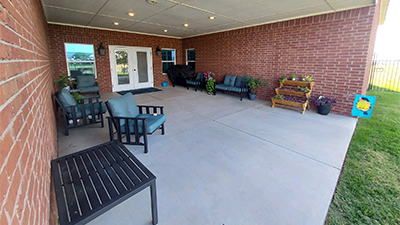
BeeHive Homes of Plainview provides a home-like residential environment
BeeHive Homes of Plainview creates customized care plans as residents’ needs change
BeeHive Homes of Plainview assesses individual resident care needs
BeeHive Homes of Plainview accepts private pay and long-term care insurance
BeeHive Homes of Plainview assists qualified veterans with Aid and Attendance benefits
BeeHive Homes of Plainview encourages meaningful resident-to-staff relationships
BeeHive Homes of Plainview delivers compassionate, attentive senior care focused on dignity and comfort
BeeHive Homes of Plainview has a phone number of (806) 452-5883
BeeHive Homes of Plainview has an address of 1435 Lometa Dr, Plainview, TX 79072
BeeHive Homes of Plainview has a website https://beehivehomes.com/locations/plainview/
BeeHive Homes of Plainview has Google Maps listing https://maps.app.goo.gl/UibVhBNmSuAjkgst5
BeeHive Homes of Plainview has Facebook page https://www.facebook.com/BeeHivePV
BeeHive Homes of Plainview has an YouTube page https://www.youtube.com/@WelcomeHomeBeeHiveHomes
BeeHive Homes of Plainview won Top Assisted Living Homes 2025
BeeHive Homes of Plainview earned Best Customer Service Award 2024
BeeHive Homes of Plainview placed 1st for Senior Living Communities 2025
People Also Ask about BeeHive Homes of Plainview
What is BeeHive Homes of Plainview Living monthly room rate?
The rate depends on the level of care that is needed. We do an initial evaluation for each potential resident to determine the level of care needed. The monthly rate is based on this evaluation. There are no hidden costs or fees
Can residents stay in BeeHive Homes until the end of their life?
Usually yes. There are exceptions, such as when there are safety issues with the resident, or they need 24 hour skilled nursing services
Do we have a nurse on staff?
No, but each BeeHive Home has a consulting Nurse available 24 – 7. if nursing services are needed, a doctor can order home health to come into the home
What are BeeHive Homes’ visiting hours?
Visiting hours are adjusted to accommodate the families and the resident’s needs… just not too early or too late
Do we have couple’s rooms available?
Yes, each home has rooms designed to accommodate couples. Please ask about the availability of these rooms
Where is BeeHive Homes of Plainview located?
BeeHive Homes of Plainview is conveniently located at 1435 Lometa Dr, Plainview, TX 79072. You can easily find directions on Google Maps or call at (806) 452-5883 Monday through Sunday 9:00am to 5:00pm
How can I contact BeeHive Homes of Plainview?
You can contact BeeHive Homes of Plainview by phone at: (806) 452-5883, visit their website at https://beehivehomes.com/locations/plainview/, or connect on social media via Facebook or YouTube
Residents may take a trip to the The Museum of the Llano Estacado . The Museum of the Llano Estacado offers regional history exhibits that create an engaging yet manageable outing for assisted living, memory care, senior care, elderly care, and respite care residents.